

Ethiopia is rapidly becoming one of Africa’s most closely watched automotive markets as Ethiopia electric vehicles continue to gain momentum following the government’s decision to ban the import of new gasoline and diesel-powered vehicles. The policy, introduced in 2024 and expanded through 2026, has accelerated the country's transition toward cleaner transportation while reshaping its automotive industry.
The shift is not only changing the types of vehicles seen on Ethiopian roads but is also influencing public transportation, infrastructure development, and future investment opportunities. As global automakers increasingly focus on electrification, Ethiopia is positioning itself as a leading example of electric mobility adoption in Africa.
Why Ethiopia Chose Electric Mobility
One of the primary reasons behind the growth of Ethiopia electric vehicles is the country's desire to reduce its dependence on costly fuel imports. Ethiopia has historically spent billions of dollars importing petroleum products, placing significant pressure on foreign exchange reserves. By encouraging electric vehicle adoption, the government aims to lower fuel consumption while promoting environmentally friendly transportation. The strategy aligns with Ethiopia’s broader sustainability goals and supports efforts to modernize the national transport sector.
The government has also introduced incentives for EV buyers and manufacturers, making electric mobility more attractive for businesses and consumers alike.
Growth of Electric Cars and Public Transport
The impact of the policy is already visible. More than 100,000 electric vehicles are now operating across Ethiopia, representing a significant increase compared to just a few years ago. The government has set ambitious targets to further expand the number of Ethiopia electric vehicles by 2030.
Electric Buses Transforming Addis Ababa
Public transportation has become a major focus of Ethiopia’s electrification efforts. Addis Ababa introduced 100 electric buses in 2025, helping reduce emissions and improve passenger comfort.
These buses offer several benefits:
-
Lower operating costs
-
Reduced air pollution
-
Quieter operation
-
Improved passenger experience
The expansion of electric bus fleets is expected to continue throughout Ethiopia as cities seek cleaner and more efficient transport solutions.
Chinese Brands Lead the EV Market
Chinese manufacturers currently dominate the Ethiopian EV market. Brands such as Changan and BYD have become increasingly popular due to their affordability and efficiency. Many drivers are attracted by the lower running costs associated with Ethiopia electric vehicles. Taxi operators, in particular, report substantial savings on fuel expenses after switching to electric models.
Hydropower Gives Ethiopia a Unique Advantage
Renewable Energy Supports EV Expansion
Unlike many countries that still rely on fossil fuels for electricity generation, Ethiopia generates more than 96 percent of its electricity from renewable hydropower sources. The massive Grand Ethiopian Renaissance Dam is expected to further increase electricity production, creating a strong foundation for widespread EV adoption. This gives Ethiopia electric vehicles a significant environmental advantage because they operate using largely renewable energy.
Domestic EV Manufacturing Opportunities
The government is also investing in local assembly and manufacturing facilities. More than a dozen factories are involved in assembling electric vehicles using imported components.
These investments are expected to:
-
Create new jobs
-
Increase local automotive production
-
Reduce vehicle costs
-
Strengthen industrial development
As production capacity expands, Ethiopia could emerge as an important EV manufacturing hub in East Africa.
Charging Infrastructure Remains a Challenge
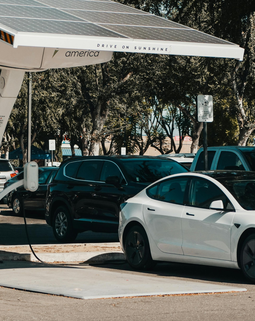
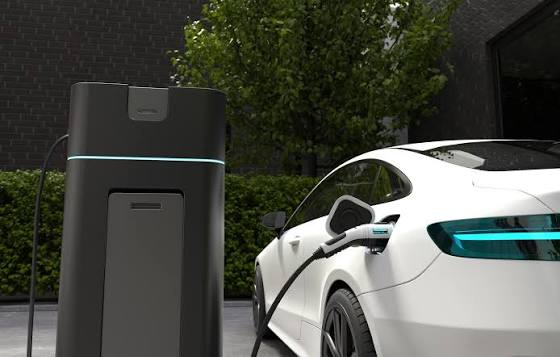
Despite the rapid growth of Ethiopia electric vehicles, charging infrastructure remains one of the sector's biggest obstacles. Most charging stations are concentrated in Addis Ababa, leaving drivers in other regions with limited access. Industry experts believe significant investment will be needed to support the government's long-term EV targets. Improving charging networks, expanding grid access, and increasing public awareness will play a critical role in sustaining future growth. For more updates on the African automotive industry, visit AfricaCarNews.
What the Future Holds for Ethiopia’s Automotive Market
Looking ahead, 2026 and beyond could be pivotal years for Ethiopia's automotive industry. Continued investment in charging infrastructure, public transport electrification, and local vehicle assembly is expected to drive further growth. If current trends continue, Ethiopia electric vehicles could become a dominant force in the country's transport sector, reducing fuel dependence while supporting economic development and environmental sustainability. Ethiopia's experience may also serve as a model for other African nations exploring large-scale EV adoption.
Join the Conversation
What do you think about the rapid rise of Ethiopia electric vehicles? Could Ethiopia become Africa’s leading electric mobility market? Share your thoughts in the comments and join the conversation about the future of sustainable transportation in Ethiopia.