

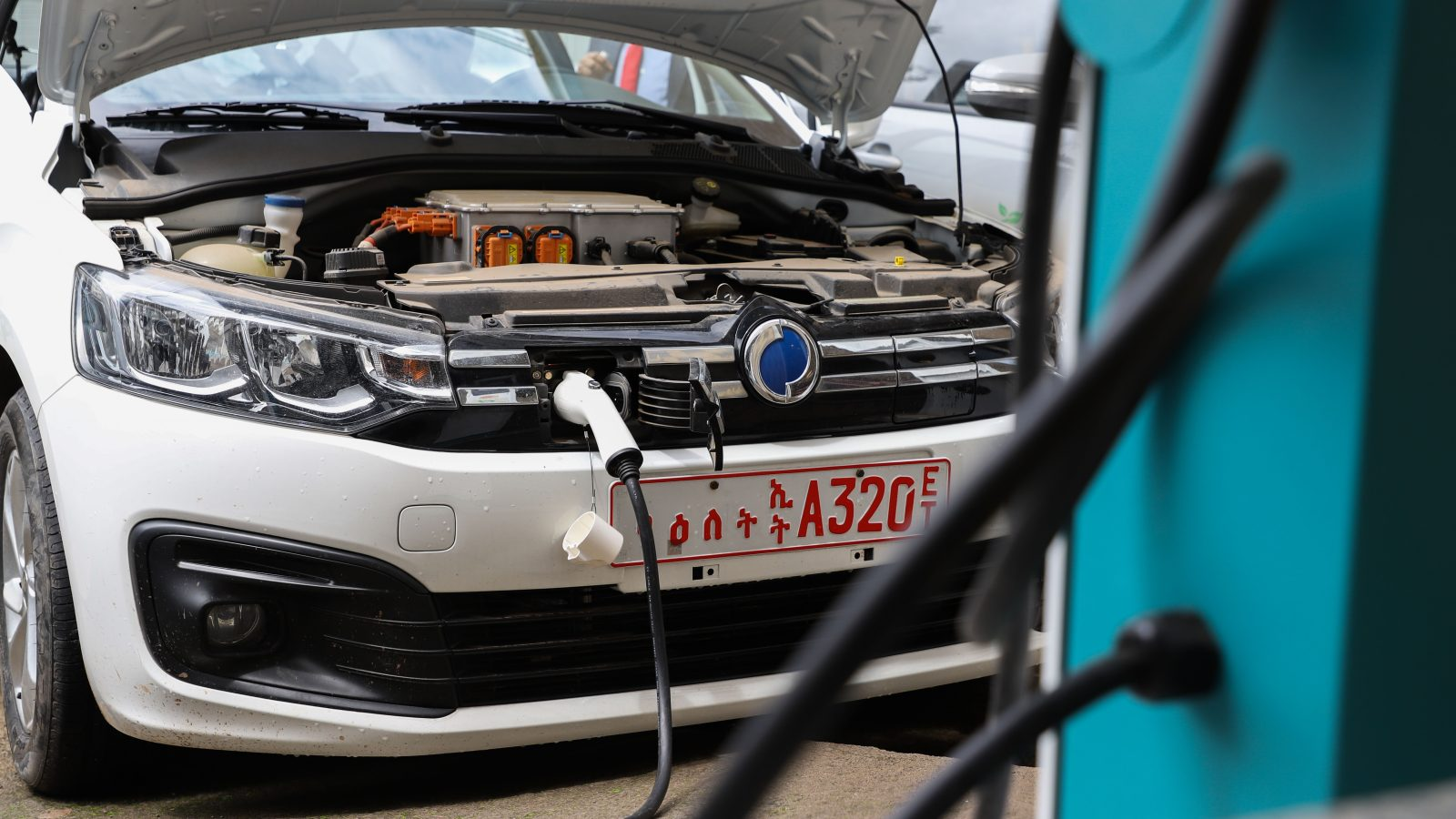
Ethiopia’s local auto assembly industry is facing a major crisis following the government’s latest directive to halt the importation of components for fuel-powered vehicles. More than 30 domestic assembly plants are now warning of imminent closures, widespread job cuts, and wasted investments due to the sudden policy shift toward electric vehicle (EV) production.
The Policy That Sparked Industry Panic
In July 2025, the Ministry of Industry issued a directive banning the import of combustion engine vehicle parts. The move follows a 2024 ban on fully built fuel-powered car imports as part of the government’s plan to transition to a green, renewable transport system. However, Ethiopia auto assembly stakeholders say the change has been abrupt, leaving no room for adaptation or proper infrastructure.
Officials argue that local assemblers must shift focus exclusively to EVs and hybrid models. Yet, industry players insist this transition is economically and logistically unrealistic. Plants currently rely on fuel-powered vehicle assembly for their profitability—something not yet possible with local EV assembly due to high costs and limited market readiness.
Factories Idle, Jobs at Stake
Companies like O’Clock Motors, Marathon Motors, and Belayab Motors report that assembly lines have already gone idle. Though production has stopped, wages for skilled workers continue—pushing many firms toward financial collapse. O’Clock Motors alone employs around 100 workers and expects to shut down within three months unless conditions change.
The ripple effects of this crisis are being felt across the supply chain—from spare part importers to technicians and logistics workers. With the Ethiopia auto assembly sector shrinking, job losses are inevitable, and investor confidence is eroding fast.
Unregulated EV Market Adds to the Problem
Adding to the industry’s woes is the unregulated influx of second-hand EVs, mostly from China and the UAE. Without national standards, various EV models are entering Ethiopia without a consistent after-sales or service structure. Local assemblers argue that this further discourages investment in domestic EV assembly.
Spare parts for EVs are scarce and expensive, with some reportedly costing over 1.2 million Birr to import individually. Additionally, Ethiopia lacks skilled labor for EV maintenance, as well as policies on battery production or software updates.
As the government pushes for greener mobility, industry leaders urge the state to implement a structured policy that supports local innovation and provides incentives. They suggest tax breaks, regulatory clarity, and phased implementation to allow Ethiopia auto assembly companies to adapt successfully. Learn more at AfriCarGroup.
Should the government rethink its electric vehicle transition policy to protect local jobs and industries? Share your thoughts below and be part of the conversation shaping Ethiopia’s automotive future.