


Ethiopia’s green revolution on wheels
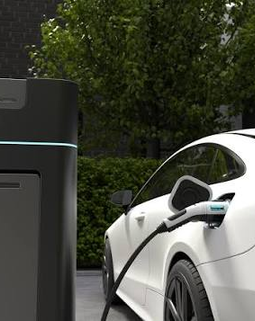
Ethiopia has taken a bold step toward sustainable transportation by becoming the first country in the world to ban the import of non-electric cars. This landmark decision reflects the government’s commitment to cleaner mobility and energy transition. Since the ban, over 100,000 electric vehicles in Ethiopia have been imported, with a goal of reaching 500,000 by 2030. Tax incentives and partnerships with global manufacturers like BYD are helping shape this new era. However, while progress in Addis Ababa is visible, the rural landscape tells a different story — one filled with infrastructure gaps and affordability issues.
Urban progress versus rural reality
Limited power access and infrastructure
The expansion of electric vehicles in Ethiopia faces major challenges outside urban areas. Only about half of the country’s 120 million citizens are connected to the national grid, with most rural communities relying on off-grid systems or lacking electricity entirely. This reality makes it nearly impossible to sustain EV charging infrastructure in remote regions. Although the government aims to establish charging stations every 120 km nationwide, rural progress remains slow.
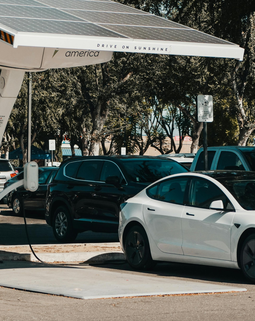
Efforts by Ethio Telecom to install new charging points in cities like Addis Ababa have been promising, but bridging the urban-rural divide requires larger investments and innovative solutions such as solar-powered charging hubs.
Skill and awareness gaps
Another barrier to expanding electric vehicles in Ethiopia is the lack of skilled technicians and public awareness. To address this, the government and private companies are opening training centers for mechanics specializing in EV maintenance, retrofitting, and repair. Local initiatives are also encouraging small enterprises to embrace electric rickshaws and scooters, particularly in semi-urban zones.
Platforms like Auto24 support this shift by connecting consumers with electric mobility solutions, promoting awareness, and fostering trust in the growing EV market.
Economic and financial barriers
Affordability and financing options
In rural Ethiopia, affordability remains the biggest obstacle. Electric motorcycles cost between 150,000 and 200,000 birr ($1,100–$1,500), far beyond the reach of most villagers. Limited access to banking and credit facilities compounds the issue. Companies like Mobilit-E are introducing flexible financing plans with low down payments to make electric vehicles in Ethiopia more accessible.
However, progress is uneven, and without stronger support systems, the EV transition risks remaining an urban privilege rather than a national achievement.
Toward a holistic mobility ecosystem
Experts argue that electric vehicles in Ethiopia can thrive in rural regions if integrated with solar energy and innovative business models. Pilot projects using solar-charged tricycles and community-based maintenance programs are emerging as examples of practical rural solutions.
To sustain this transformation, Ethiopia must foster collaboration across ministries — energy, transport, and finance — to create a coherent EV policy framework. This integrated approach will ensure that clean mobility benefits both city dwellers and rural citizens equally.
Ethiopia’s vision for sustainable transportation is ambitious, but the journey has just begun. What do you think about the future of electric vehicles in Ethiopia? Share your views in the comments and join the conversation on Africa’s green mobility future!