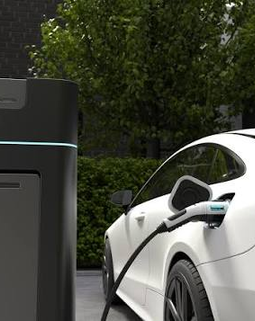


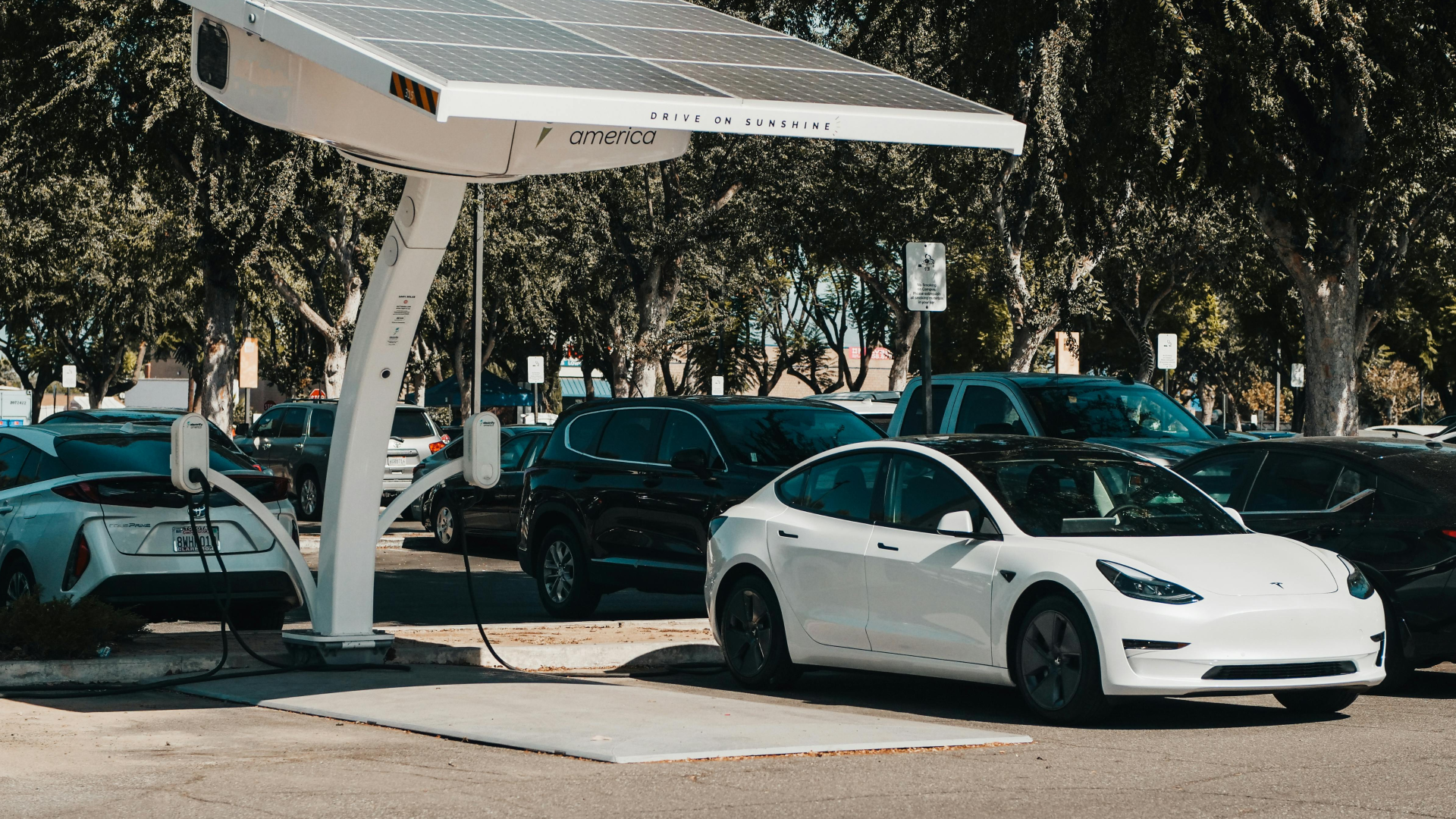
The Ethiopia EV revolution is reshaping the country’s transport landscape at an extraordinary pace. Once heavily dependent on imported fossil fuels, Ethiopia has made a decisive policy shift by banning the import of internal combustion engine vehicles and slashing tariffs on electric vehicles (EVs). The result? A rapid transition that is turning Addis Ababa into one of Africa’s most surprising EV growth stories.
What makes the Ethiopia EV revolution unique is that it is driven not only by environmental ambition but also by economic necessity and energy security.
Why Ethiopia Took the Bold Step
Ethiopia imports 100% of its petroleum products, placing enormous pressure on foreign currency reserves. In recent years, fuel imports cost billions annually, contributing to economic strain. By banning fossil fuel car imports in 2024 and promoting electric vehicles, policymakers aimed to reduce reliance on volatile global oil markets.
Electric vehicles, in contrast, run on domestically generated electricity. Ethiopia’s power grid is dominated by renewable energy, particularly hydropower, alongside wind and solar. The completion of the Grand Ethiopian Renaissance Dam significantly expanded electricity capacity, making EV charging more affordable and sustainable.
This energy advantage sits at the heart of the Ethiopia EV revolution.
EV Adoption Surges Past Expectations
In less than two years, EV penetration in Ethiopia has jumped from under 1% to over 6%, surpassing the global average. Affordable imports—mostly from Chinese manufacturers—have made electric mobility accessible to a wider segment of the population.
The Rise of Electric Two-Wheelers
One of the most dynamic areas within the Ethiopia EV revolution is electric two-wheelers. Startups assembling electric bikes locally have tapped into demand from gig workers and delivery companies. Addis Ababa, with a population approaching 10 million, has limited public transport options, creating strong demand for flexible, low-cost mobility.
Electric bikes significantly reduce operating costs compared to petrol-powered alternatives. With high fuel prices and occasional fuel shortages, switching to electricity has proven financially attractive for riders and logistics firms alike.
Economic and Environmental Gains
The Ethiopia EV revolution is delivering dual benefits. Economically, EVs reduce national fuel imports, easing pressure on foreign reserves. For drivers, electricity is far cheaper than gasoline, and EVs require less maintenance due to fewer mechanical components.
Environmentally, the transition improves urban air quality and reduces emissions. Because Ethiopia’s electricity mix is primarily renewable, the carbon footprint of EV charging remains relatively low compared to countries dependent on coal-fired power.
Energy Sovereignty and Long-Term Strategy
Officials emphasize that energy sovereignty is central to Ethiopia’s long-term development strategy. By shifting transportation to electricity produced domestically, the country gains control over pricing and supply stability. This reduces vulnerability to global energy shocks and strengthens economic resilience.
For readers following similar mobility transitions across Asia and emerging markets, platforms like AfricaCarNews track major automotive and policy developments shaping the future of transport.
Challenges Ahead
Despite rapid progress, the Ethiopia EV revolution faces hurdles. Charging infrastructure must expand further, spare parts supply chains need strengthening, and local technical expertise must grow to support maintenance and scaling.
However, the foundation is firmly in place. With supportive policy, renewable energy dominance, and rising consumer acceptance, Ethiopia is proving that developing economies can leapfrog directly into electric mobility rather than following decades of fossil-fuel dependence.
What do you think—could more developing nations follow Ethiopia’s bold approach and skip straight to electric mobility? Drop your thoughts below and join the conversation!