

In early 2024, Ethiopia made global headlines by becoming the first country to outright ban the import of internal combustion engine vehicles. Now, as we navigate through 2026, the ambitious Ethiopia EV-Only Policy has moved far beyond a simple import restriction, fundamentally altering the nation's entire approach to Grid Management. By forcing a massive, nationwide pivot toward electric mobility, this groundbreaking legislation is proving that aggressive transportation reform and comprehensive electrical grid modernization must strategically go hand in hand to achieve long-term success.
Capitalizing On A Renewable Energy Surplus
The primary economic driver behind the Ethiopia EV-Only Policy was the urgent need to drastically reduce the country’s crippling $4.5 billion annual fossil fuel import bill. However, transitioning hundreds of thousands of daily drivers to battery power requires an immense amount of stable electricity. Fortunately, the nation is perfectly positioned to handle this unprecedented surge in demand thanks to a massive Renewable Energy Surplus generated largely by the newly fully operational Grand Ethiopian Renaissance Dam.
By relying on this vast hydropower capacity, the Ethiopia EV-Only Policy effectively transforms electric vehicles from potential grid liabilities into highly efficient energy sinks. Instead of burning expensive, imported gasoline, Ethiopian drivers are literally powering their daily commutes with locally sourced, clean river water. This creates a completely self-sustaining cycle of Sustainable Mobility that keeps vital economic capital circulating within the domestic market rather than flowing out to foreign oil producers.
Modernizing The EV Charging Infrastructure
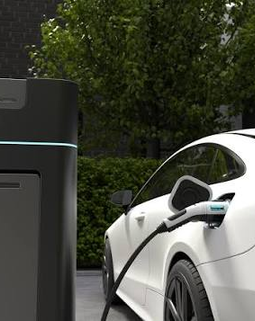
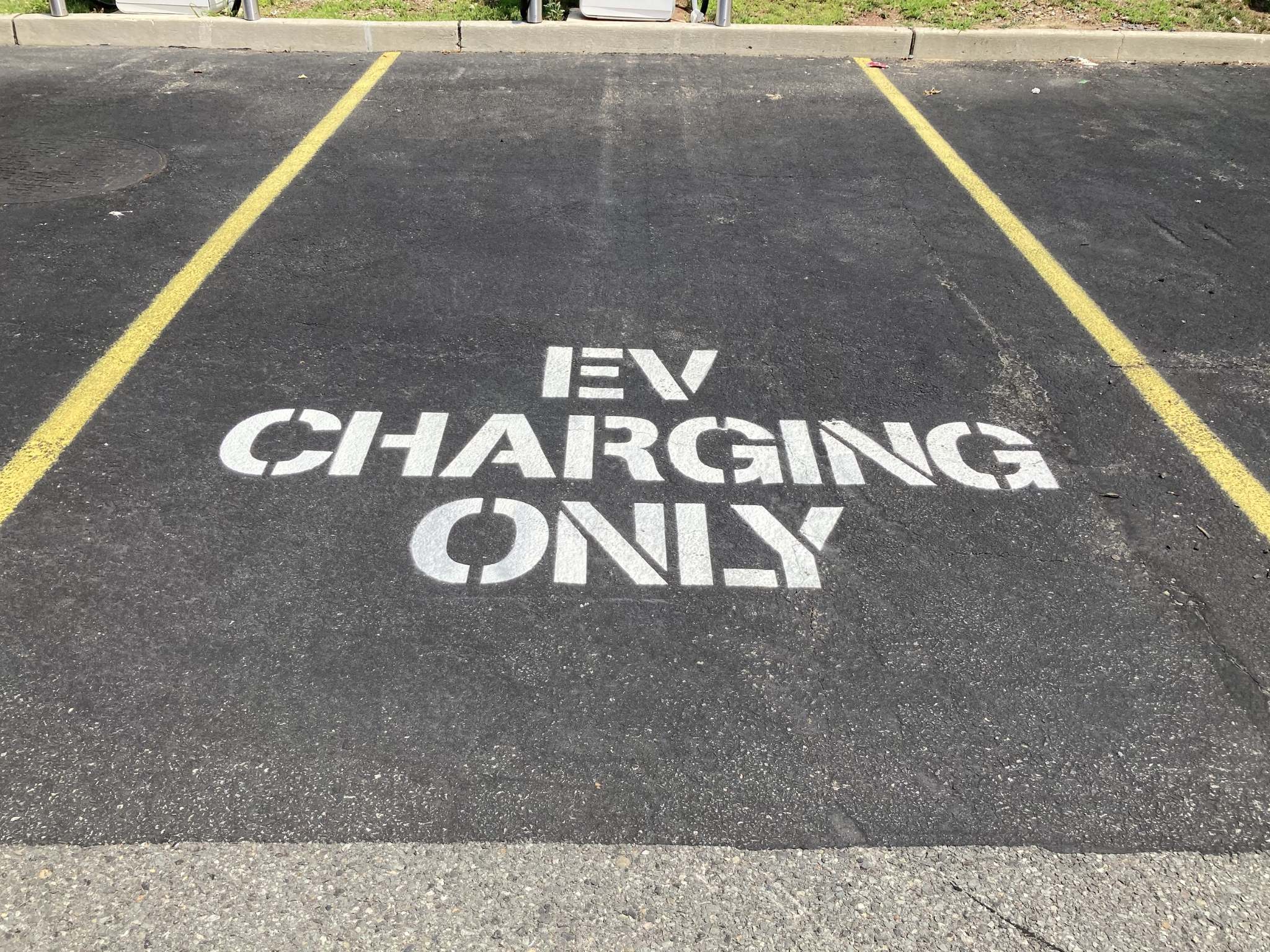
While the raw energy supply is wonderfully abundant, safely delivering that power to individual vehicles presents a highly unique logistical challenge. The rapid, widespread influx of electric cars spurred by the Ethiopia EV-Only Policy has forced local utility providers to rapidly upgrade and rethink the national EV Charging Infrastructure. To actively prevent local transformers from overloading during peak evening hours when commuters return home, grid operators are aggressively implementing smart charging frameworks.
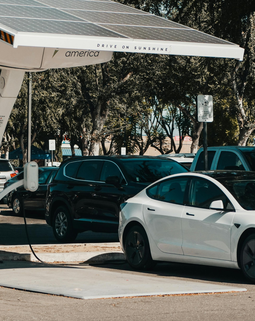
These advanced software systems intelligently distribute power, heavily encouraging commercial transit fleets and private owners to charge their vehicles during off-peak nighttime hours. Furthermore, to bridge the urban-rural divide, developers are successfully introducing decentralized solar mini-grids specifically designed to support rural charging hubs without straining the central power lines. By actively shaping consumer charging behavior, the Ethiopia EV-Only Policy ensures that the electrical grid remains perfectly stable and resilient, even as the number of electric vehicles on the road surpasses 110,000 active units.
A Blueprint For African Grid Management
The critical logistical lessons currently being learned in Addis Ababa are echoing across the entire continent. Neighboring nations are closely watching exactly how the Ethiopia EV-Only Policy successfully balances rapid automotive electrification with strict infrastructure protocols. Rather than viewing electric vehicles as a looming threat to fragile electrical networks, forward-thinking urban planners now see them as a powerful catalyst for vital infrastructural upgrades and long-term economic resilience.
For international investors, local policymakers, and automotive enthusiasts looking to stay continuously updated on the latest shifts in continental transport regulations, renewable energy integration, and African market trends, exploring the expert daily insights at AfriCarNews is an absolutely excellent habit.
Ultimately, the unprecedented Ethiopia EV-Only Policy is writing a bold new chapter in global energy history. By smartly pairing uncompromising transportation mandates with immense renewable power, the country is proudly setting a highly replicable, deeply sustainable standard for the future of clean transit in the developing world.
Do you think other African nations will adopt similar bans on gas-powered cars? How would your local electrical grid handle a sudden influx of thousands of electric vehicles? Share your thoughts, questions, and green energy insights in the comments below!