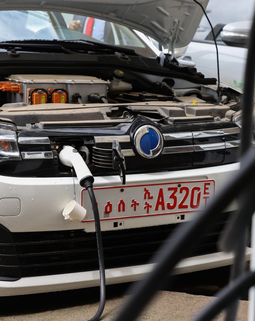


Ethiopia is making waves in Africa’s transportation landscape with a bold statistic: over 60% of new vehicles sold in the country are now electric. This milestone signals the dawn of a clean mobility revolution — and Ethiopia is fast becoming a role model for the rest of the continent.
What’s driving this rapid shift? And what does it mean for car buyers, drivers, and the country’s economy? Let’s dive into the electrifying story of Ethiopia’s EV transformation.
What Sparked Ethiopia’s EV Boom?
1. Government Ban on Fossil Fuel Vehicle Imports
In 2024, Ethiopia banned the import of used fossil-fuel-powered vehicles. This decision was pivotal. With internal combustion engine (ICE) vehicles off the table, the country redirected its auto market towards electric vehicles (EVs).
2. Tax Incentives and Lower Import Duties
To make EVs more accessible, the government slashed import taxes on electric vehicles. While ICE cars faced high levies, EVs enjoyed reduced duty rates or zero-rated VAT, making them more affordable for average buyers.
3. Clean Energy Advantage
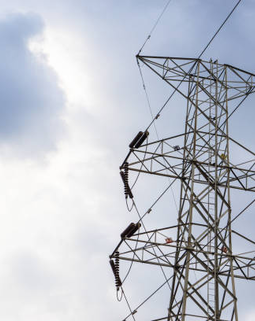
With more than 90% of Ethiopia’s electricity generated from hydropower, the EV shift made perfect sense. Drivers benefit from low charging costs powered by a clean, renewable grid.
How Many EVs Are We Talking About?
In early 2025, the Ministry of Transport confirmed that over 60% of new car registrations were for electric vehicles. That’s a massive leap from just 15% in 2022.
Sales are being driven by:
-
Private buyers switching to EVs to cut fuel costs
-
Ride-hailing services like Ride and Feres, adopting electric fleets
-
Public transport modernization, including electric buses and minibuses
Where Are These EVs Coming From?
1. Chinese and Indian Imports
Most EVs in Ethiopia are imported from China and India, where affordable electric models are manufactured at scale. Brands like BYD, Wuling, Tata, and Dongfeng dominate Ethiopian roads.
2. Local Assembly and Manufacturing
In mid-2024, Ethiopia launched its first EV assembly plant. Operated by Phibela Industrial, the facility now produces up to 1,000 units annually, creating local jobs and reducing reliance on imports.
Looking to buy locally assembled or imported EVs? Visit cargebeya.com for the latest electric car listings and market updates tailored for Ethiopian drivers.
Most Popular EV Models on Ethiopian Roads
-
Dongfeng EV mini sedans – Budget-friendly and ideal for city driving
-
BYD e2 and e5 – Compact hatchbacks with excellent range
-
Tesla Model 3 – A luxury choice for high-income buyers
-
Wuling Mini EV – A compact option dominating ride-hailing fleets
-
Locally assembled EV taxis and minibuses – Gaining traction in Addis Ababa and regional towns
Charging Infrastructure: How Prepared Is Ethiopia?
1. Public Charging Stations Are Growing
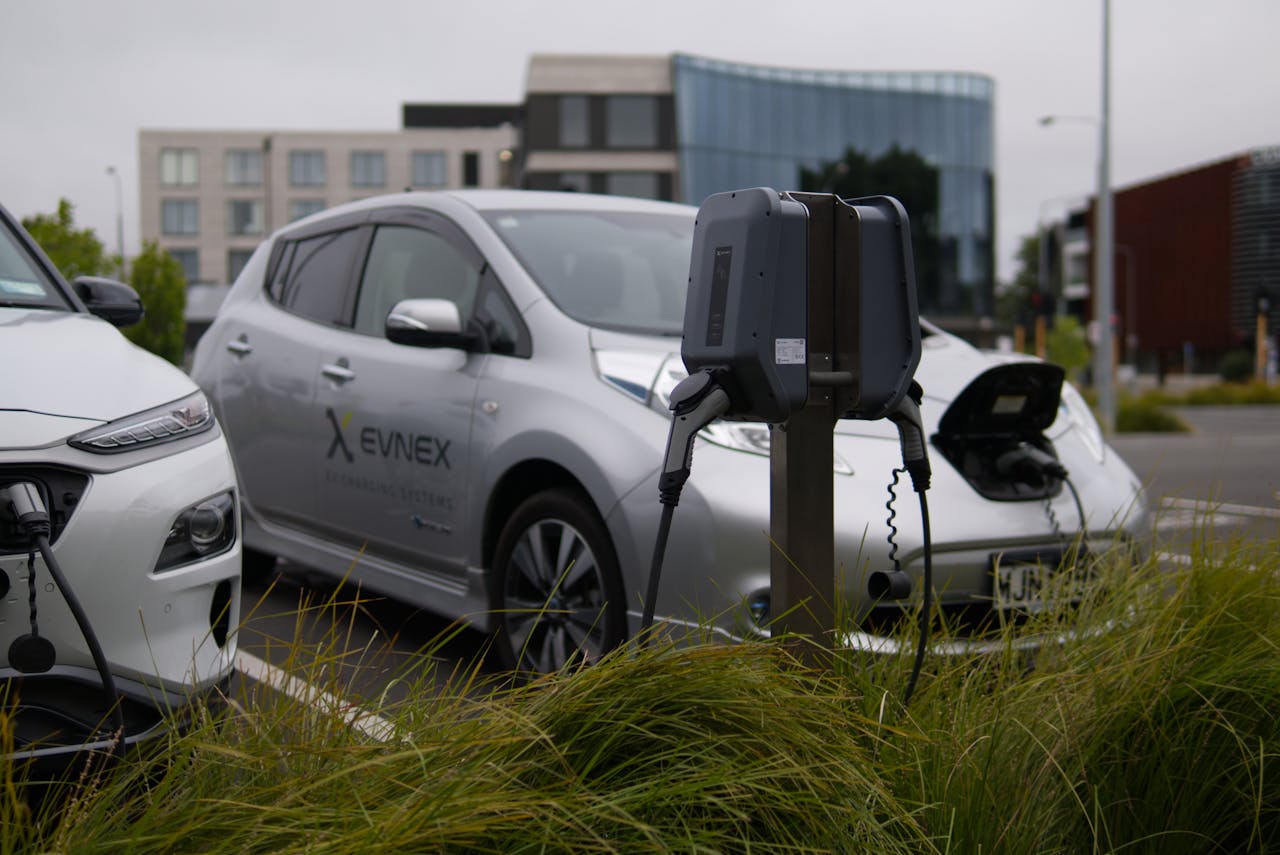
Ethiopia now boasts over 120 public charging stations, with new ones opening monthly in Addis Ababa, Hawassa, Adama, and Bahir Dar. The government’s target is 300+ stations by 2026.
2. Private Chargers in Homes and Offices
Most EV owners are installing Level 2 home chargers, thanks to affordable power and stable grid coverage in urban areas. Offices and shopping malls are also adding dedicated EV parking with chargers.
3. Solar-Powered Chargers in Rural Areas
In off-grid regions, solar-powered EV chargers are being introduced to serve farmers and small business owners investing in electric tuk-tuks, tricycles, and delivery vans.
Benefits for Ethiopian Drivers
Fuel Cost Savings
Switching to EVs means spending up to 80% less on energy compared to petrol or diesel cars.
Lower Maintenance
EVs have fewer moving parts — no oil changes, no gearboxes, no exhausts. That’s less maintenance and fewer breakdowns.
Smooth Urban Driving
With instant torque, EVs are perfect for city roads and hills. Addis traffic is less stressful when you’re driving a silent, zippy electric car.
Challenges Still Facing Ethiopia’s EV Transition
1. Grid Reliability in Rural Areas
While cities enjoy stable electricity, rural areas face power interruptions, affecting EV usability.
2. Limited EV Technician Training
Mechanics trained in EV diagnostics and battery systems are still in short supply. That’s slowly changing with vocational training programs supported by government and NGOs.
3. Financing Options
Banks and microfinance institutions are still developing EV-specific loan packages. For now, many buyers pay in cash or use private dealer credit.
Future Outlook: What’s Next for EVs in Ethiopia?
The Ethiopian government has set an ambitious goal: 500,000 EVs on the road by 2030. To reach it, they’re investing in:
-
More local assembly plants
-
Fast-charging networks along highways
-
Battery recycling and second-life use centers
-
**Digital marketplaces like **cargebeya.com to help buyers compare and purchase electric vehicles with confidence
How to Buy an EV in Ethiopia: Practical Tips
1. Do Your Research
Check out local listings on cargebeya.com and read EV user reviews.
2. Inspect the Battery
Ask for battery health reports, especially when buying used EVs. Battery life affects performance and resale value.
3. Confirm Spare Parts Availability
Brands like BYD and Dongfeng have spare parts stocked in Merkato, Addis Ketema, and other major cities.
4. Plan for Charging
Install a home charger or live near a public charging station to avoid range anxiety.
Conclusion: Ethiopia Is Charging Toward a Cleaner Future
From banning fossil fuel car imports to supporting local EV manufacturing, Ethiopia has taken bold steps in its clean mobility revolution. With more than 60% of new car sales now electric, the country is not only saving fuel costs but also cutting carbon emissions and building green jobs.
Ethiopia’s journey proves that electric mobility isn’t a dream — it’s a reality that’s reshaping how we move, work, and live.
Want to join the electric wave? Start by exploring EV listings, specs, and price comparisons on cargebeya.com, Ethiopia’s top platform for second-hand and electric cars.