

The Ethiopia electric vehicle market is gradually expanding, but several challenges are slowing its progress. Marathon Motor Engineering PLC (MME), a leading player in the sector, is facing regulatory, financial, and insurance-related obstacles. These issues highlight the need for a stronger legal framework and greater support for the adoption of electric vehicles (EVs) in Ethiopia.
Regulatory Barriers for EV Adoption
License Plate and Legal Challenges
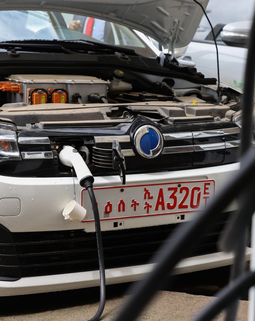
One of the main hurdles in the Ethiopia electric vehicle market is obtaining license plates for EVs. MME’s CEO, Melkamu Assefa, revealed that authorities are hesitant to issue proper registration for electric cars. Instead, they request documentation typically associated with conventional petrol and diesel vehicles. This lack of regulatory clarity creates uncertainty for both manufacturers and buyers.
High Insurance Premiums
Insurance providers in Ethiopia charge significantly higher premiums for EVs compared to traditional vehicles. Marathon Motors has been conducting training programs for insurers to help them understand the benefits and risks of EV ownership. However, the industry remains cautious, making it difficult for potential buyers to secure affordable coverage.
Financial and Infrastructure Challenges
Short Loan Terms for EV Buyers
Banks in Ethiopia typically provide long-term loans for petrol vehicles, with repayment periods exceeding ten years. However, financing options for EVs are much shorter, often limited to five years due to concerns over battery lifespan. Marathon Motors is advocating for longer repayment terms, emphasizing its eight-year warranty on vehicles, but the financial sector has yet to adjust its policies.
Limited Charging Infrastructure
Another obstacle in the Ethiopia electric vehicle market is the lack of a widespread charging network. Without sufficient charging stations, potential EV buyers hesitate to invest in electric cars. Expanding this infrastructure is crucial for increasing adoption and consumer confidence.
Marathon Motors' Efforts to Promote EVs
Launch of EV Service Centers
To address maintenance concerns, Marathon Motors recently opened a dedicated service center for electric vehicles. This initiative aligns with the company’s 15th anniversary and its goal of enhancing after-sales support for EV owners. Proper servicing facilities will play a key role in encouraging more Ethiopians to transition to electric mobility.
Showcasing New EV Models
At a recent forum, Marathon Motors introduced the second-generation Hyundai KONA SUV and the award-winning IONIQ 5 SUV. These models represent the latest advancements in EV technology and signal the company’s commitment to leading Ethiopia’s transition toward sustainable transportation.
Government Support for EV Expansion
Transport Ministry's Vision
State Minister of Transport and Logistics, Breho Hassan, highlighted Ethiopia’s long-term plans to modernize its transport sector. The government aims to integrate electric vehicles into the national system while reducing carbon emissions.
30-Year EV Roadmap
Ethiopia’s transport roadmap envisions a fully modernized sector by 2050. The plan includes:
-
Expanding EV charging stations
-
Setting up maintenance workshops
-
Providing incentives for manufacturers and buyers
This strategic framework is designed to accelerate the adoption of EVs and support the country's sustainability goals.
Conclusion
Despite ongoing challenges, the Ethiopia electric vehicle market is poised for growth. Marathon Motors and government stakeholders are working to overcome regulatory, financial, and infrastructure barriers. With the right policies in place, Ethiopia can transition towards a cleaner and more sustainable transport system.
What do you think about the future of electric vehicles in Ethiopia? Share your thoughts in the comments!