



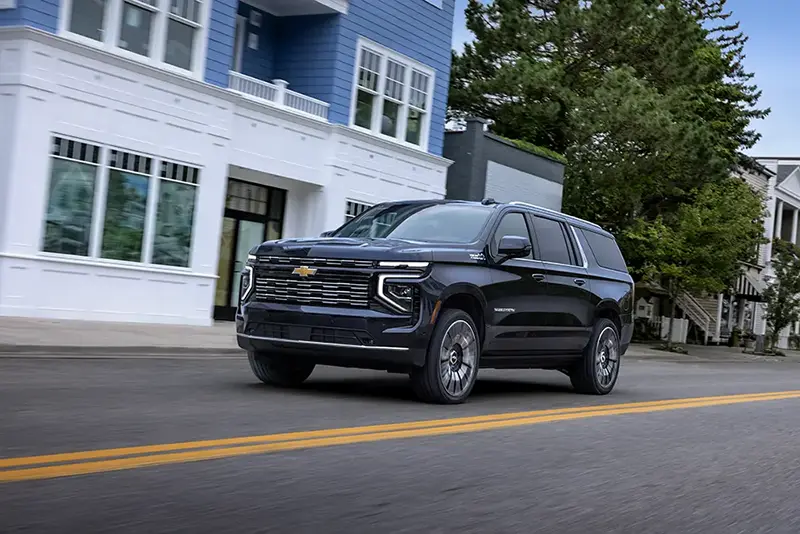
As nations aggressively push towards greener futures, strict legislative changes are fundamentally reshaping the automotive landscape. With progressive regions enacting strict bans on combustion engine imports, drivers are suddenly navigating the new EV-Only Import Era. For owners of heavy, highly durable utility vehicles, abandoning a perfectly good chassis simply because the engine burns fossil fuels is both economically and environmentally wasteful. Instead, embarking on a Diesel To EV Retrofit offers a highly practical, forward-thinking solution to keep your beloved SUV legally and safely on the road for decades to come.
The Core Mechanics Of A Diesel To EV Retrofit
Transforming a traditional, fossil-fuel-burning vehicle into a modern electric marvel is an intensive engineering process that requires immense precision. Successfully executing a Diesel To EV Retrofit requires completely stripping the vehicle of its internal combustion components. Mechanics must meticulously remove the heavy diesel block, the complex exhaust system, the radiator, and the bulky fuel tank. In their place, technicians install a highly advanced Electric Powertrain Upgrade. Because classic SUVs inherently possess incredibly strong, ladder-frame chassis, they are structurally ideal for handling the massive, instantaneous torque generated by modern electric motors.
Perfecting Your Battery Pack Integration
The most challenging, yet crucial aspect of your Diesel To EV Retrofit is determining exactly where to store the heavy power cells. Unlike smaller passenger sedans, an SUV offers a vast amount of undercarriage and rear cargo space. Achieving flawless Battery Pack Integration means strategically distributing the heavy lithium-ion or lithium-iron-phosphate modules across the vehicle to maintain a low center of gravity. Proper weight distribution not only ensures the SUV remains stable during intense off-road excursions but also maximizes the overall aerodynamic efficiency required for long-distance Sustainable Mobility.
Financial Benefits Of A Diesel To EV Retrofit
While purchasing a brand-new electric SUV can easily cost upwards of $60,000 to $80,000, the long-term financial logic behind a Diesel To EV Retrofit is becoming increasingly undeniable. By recycling your existing chassis, suspension system, and interior cabin, you entirely bypass the massive manufacturing premiums associated with new showroom vehicles. Furthermore, drivers immediately eliminate their reliance on expensive, imported diesel fuel and drastically reduce their routine maintenance costs, as electric motors possess significantly fewer moving parts to repair than traditional combustion engines.
Navigating The Modern Conversion Market
As the global demand for Emission-Free Driving continues to skyrocket, the market for specialized conversion kits is expanding at a rapid pace. Today, independent garages and specialized engineering firms are offering customized, bolt-in electric solutions specifically tailored for popular, heavy-duty SUV models like the Toyota Land Cruiser and the Land Rover Defender. To stay continuously updated on the latest conversion technologies, emerging electric vehicle regulations, and regional automotive market trends, exploring the expert daily insights at AfriCarNews is an absolute must for any modern driver navigating this massive legislative shift.
Ultimately, completing a Diesel To EV Retrofit ensures that your highly capable, rugged SUV survives the legislative shift and actively thrives in a much cleaner, greener world.
Are you considering converting your heavy diesel SUV to battery power to avoid strict new import laws? Which classic SUV model do you think makes the absolute best candidate for an electric conversion? Share your project ideas, technical questions, and thoughts in the comments below!


