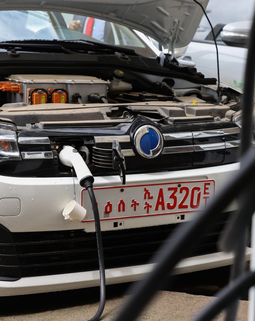


Ethiopia’s ambition to switch to electric vehicles is bold and well-publicized—yet the reality of patchy power grids Ethiopia is hampering the very transition the government wants to accelerate. Electric vehicle owners and infrastructure providers alike must navigate frequent outages, limited rural access and underdeveloped charging networks. Until the grids become reliable, many EV drivers will continue to face hidden hurdles.
Grid reliability and access: the technical foundation
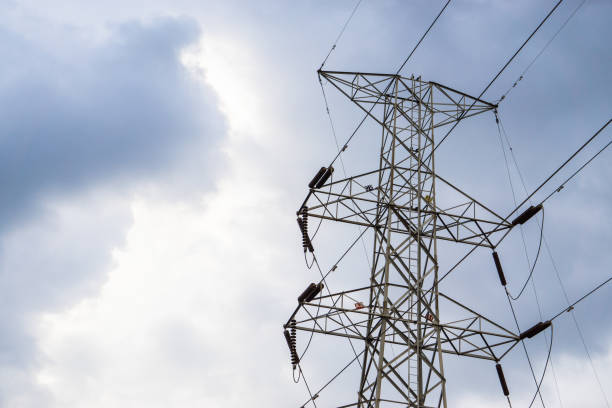
Even though Ethiopia generates its electricity largely from hydropower, the distribution network remains uneven. Many parts of the country suffer from inconsistent supply, voltage fluctuations and outages. For EV users, this means that even if a charging station exists, the underlying distribution may not support safe or reliable charging. This instability in patchy power grids Ethiopia undermines confidence among drivers and investors.
Rural regions suffer worst from this. While a majority in urban areas can tap into the grid, large segments of the population either lack access or face frequent interruptions. That makes owning an EV outside the major cities challenging. Simply put, one cannot rely on charging infrastructure where the power grid itself is unstable—this is a core issue of patchy power grids Ethiopia and the EV rollout.
Charging infrastructure: building on shaky foundations
For EVs to thrive, charging networks must be dense, predictable and trustworthy. In Ethiopia, charging stations are few in number and concentrated around Addis Ababa. Outside the capital, the principle of “plug-and-charge” risks being undermined by patchy power grids Ethiopia. Many stations are stalled not because of EV demand but due to power-supply constraints, regulatory uncertainty and grid connection challenges.
Without long-range confidence, drivers remain wary of investing in EVs or taking them on cross-country trips. For example, even urban users report worries about trips outside the city because of minimal charger coverage and grid reliability. That hesitancy slows market momentum.
Strategies to mitigate grid-related limitations
To counter the impact of patchy power grids Ethiopia, several strategies are emerging:
-
Distributed solar and battery storage: Hybrid charging stations that pair solar panels and battery buffers can bypass unstable grid sections. These systems allow charging despite power cuts.
-
Off-grid and micro-grid options: For remote areas, dedicated micro-grids can support EV charging independently of the main grid.
-
Smart load management: Charging stations can be designed to sense grid conditions and ramp down or delay charging to avoid overloading weak infrastructure—a proactive measure against the risks of patchy power grids Ethiopia.
-
Urban footprint first, rural next: Focusing initial EV infrastructure in well-connected urban zones enables early adopters, while grid upgrades continue elsewhere.
Platforms like Auto24 Africa show how international vehicle markets are adjusting to similar constraints; lessons can inform local planning in Ethiopia.
Implications for vehicle owners and policy-makers
For EV buyers in Ethiopia, awareness matters. A vehicle may perform well, but if charging is inconsistent due to a weak grid, the total cost and convenience decline. Prospective owners should check home grid reliability, access to backup power, and charging-station density.
For policy-makers, the challenge is to invest not just in vehicle incentives but in strengthening the grid itself. Without addressing the root power-grid issues, EV imports and charging installations will continue to under-perform despite high aspirations.
The reality is clear: no matter how many EVs arrive in the country, the success of those vehicles depends on the reliability of the electricity supply. Until the underlying system is stabilized, patchy power grids Ethiopia will continue to act as the weak link. What do you think—should priority go to grid upgrades or charging-station deployment? Share your thoughts in the comments and join the discussion!