


Overview of E-Mobility Week 2025
What is E-Mobility Week?
E-Mobility Week (AEW2025) is Africa’s largest gathering dedicated to electric mobility and sustainable transport. This three-day event brings together governments, private firms, development agencies, and tech innovators to lay the groundwork for a cleaner, electric-powered transport future.
Dates and Venue
Set to be held from September 16–18, 2025, in Addis Ababa, Ethiopia, the event is expected to host over 500 participants from across the continent and beyond.
Why Ethiopia?
Ethiopia has emerged as a continental leader in clean transport, fueled by its ambitious green energy strategy. With over 90% of electricity coming from hydropower and a bold ban on fossil-fuel vehicles, Ethiopia is perfectly positioned to lead Africa’s electric mobility transition.
Key Objectives of the Event
Driving Policy Development
The forum provides a platform to discuss regulatory frameworks that encourage EV adoption, such as Ethiopia’s ban on second-hand internal combustion engine vehicles.
Catalyzing Investment in EV Infrastructure
AEW2025 addresses the need for $30 billion in urban transport investment and highlights strategies to close the $3.5–8.9 billion financing gap for electric two-wheelers by 2030.
Promoting Regional Collaboration
From Charge Africa MOU to cross-border partnerships, the event’s agenda emphasizes continent-wide synergy to fast-track electric transport.
Core Highlights of AEW2025
Africa E-Mobility Forum
This flagship forum brings together policy experts, financial institutions, and industry stakeholders to debate and design Africa’s electric future.
Technology Showcases and Product Demos
Attendees can experience firsthand the latest EV models, battery tech, and charging systems tailored for Africa’s conditions.
Special Summits – Youth, Women, and Policymakers
Targeted sessions ensure inclusive participation and problem-solving across all levels of society.
Strategic Speakers and Organizations
Role of CPCS and UNEP
CPCS, a pan-African infrastructure advisory firm, and UNEP co-host the event, offering expert guidance on financing, policy, and sustainability.
Industry Thought Leaders in Attendance
Executives from Spiro, IZI Electric, and Ampersand are lined up to discuss charging tech, battery swapping, and green job creation.
Government and NGO Participation
Ministers from Ethiopia, Rwanda, and Senegal join global experts to share what’s working — and what still needs to be fixed.
The Four Pillars: Investment, Policy, Industry, Ecosystem
Government Incentives and Regulations
From tax waivers on EV imports to local manufacturing subsidies, policy innovation is central to success.
Financing Gaps and Strategies
The private sector and development banks must step in with creative financing tools to make EVs affordable across income groups.
Industry Innovations from Dakar to Kigali
Showcasing electric BRTs in Senegal and battery labs in Rwanda, AEW2025 highlights how innovation is blooming across Africa.
Ecosystem Growth via Local Partnerships
Organizations like OMA Services in Kenya use SACCOs to finance EV buses — a grassroots model that’s working.
Spotlight on Technological Innovation
New EV Models Tailored for Africa
IZI Electric’s Easy Impala bus — with its 350 km range and 10-year battery — shows how Africa is engineering its own solutions.
Charging Solutions and Renewable Integration
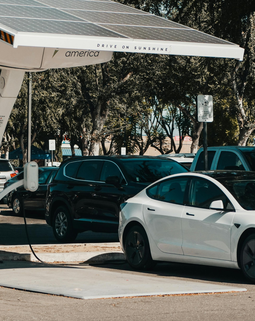
South Africa’s Zero Carbon Charge is installing off-grid, solar-powered charging hubs every 93 miles across highways.
Rwanda’s Battery Testing Lab
IZI Electric’s battery lab in Kigali offers performance diagnostics, repair, and technician training — a game changer.
The Push for Local Manufacturing
Made-in-Africa Vehicles
From Kemet Automotive in Nigeria to Roam in Kenya, African startups are proving that EV manufacturing doesn’t have to rely on imports.
Assembling Value Chains
Ampersand builds battery packs in-house while welding components — building skills and independence.
Promising Startups and Investments
Over $24 million has been poured into new facilities and concepts, proving investor confidence is growing.
Digital Tools Empowering EV Adoption
EV Marketplaces like EV24.africa
This online hub connects buyers and sellers in all 54 African countries with transparent pricing and fast delivery.
App-based Charging Navigation
Real-time mapping tools make EV usage practical even in areas with unpredictable infrastructure.
Data for Smarter Mobility Decisions
From fleet tracking to battery diagnostics, digital platforms ensure efficiency and reduce range anxiety.
Ethiopia as a Regional Role Model
Ban on Fossil Fuel Vehicles
Ethiopia’s ban on second-hand fossil-fuel cars sends a strong message: the future is electric.
Investment in Hydropower-Powered Mobility
With clean energy abundant, the country is well-equipped to power mass EV adoption.
National EV Production Ambitions
Phibela Industrial is ramping up local EV assembly with a 1,000-unit annual capacity.
Case Studies of Successful EV Projects in Africa
Senegal’s e-BRT
This $300 million electric bus network in Dakar serves 300,000 passengers daily across 23 stations.
Kenya’s Electric Public Transit
OMA Services is swapping diesel buses for electric ones, using SACCOs for financing.
Rwanda’s Ampersand Motorcycles
Leasing e-motorcycles to boda-boda riders, Ampersand boosts income while cutting emissions.
Kemet Automotive’s Vision
Their six-concept lineup — from tuk-tuks to SUVs — is aimed at mass market affordability through local production.
Regional Cooperation: Charge Africa MOU
Unified EV Policy Development
Governments and companies are working on continent-wide strategies to streamline EV policies.
Cross-Border EV Infrastructure Planning
This includes shared charging networks and harmonized standards for battery swapping and maintenance.
FAST-Infra Label – Funding Green Projects
Simplifying Project Approval
This new global standard helps fast-track investor decisions for low-carbon infrastructure.
Building Investor Confidence
With real-time tracking and third-party verification, projects gain legitimacy and global appeal.
Environmental and Economic Benefits
Lower Emissions and Air Quality Improvement
Zero tailpipe emissions help clean up cities — and lungs.
Cutting Oil Imports and Fuel Dependency
Africa spends over $40 billion annually on fuel. EVs could redirect that toward development.
Creating Green Jobs and Skills Training
Battery labs, assembly lines, and EV maintenance create modern employment opportunities.
Main Challenges in EV Adoption
Grid Reliability Issues
Africa’s power grid loses over 20% of its energy — that’s a problem for charging stations.
High EV Import Duties
Import taxes can reach up to 34% — a huge barrier for consumers.
Road Infrastructure Gaps
Poor roads reduce battery efficiency and vehicle lifespan.
Practical Tips for Ethiopian EV Buyers
How to Choose the Right EV
Consider terrain, charging access, and range needs. Two-wheelers may be ideal for city driving.
Battery Maintenance and Range Tips
Avoid full discharges and charge regularly to maintain battery health.
Where to Buy Used EVs Locally
To find second-hand cars suitable for these conditions, check out cargebeya.com. It lists a wide range of EV options suited for Ethiopia’s urban and rural needs.
The Role of Platforms like cargebeya.com
Supporting Access to Second-Hand Vehicles
Sites like cargebeya.com offer a practical entry point into the EV market — especially for budget-conscious buyers.
Connecting Buyers with Local EV Sellers
With filtering tools and region-specific listings, it simplifies the search for your next clean ride.
Conclusion: Ethiopia’s EV Leadership in Africa
AEW2025 isn’t just an event — it’s Ethiopia’s bold statement to Africa and the world. With policies banning fossil-fuel imports, investments in local assembly, and cross-border partnerships, Ethiopia is creating a practical blueprint for others to follow. The journey isn’t without challenges, but the momentum is real, and the future is electric.
FAQs
1. What makes E-Mobility Week 2025 significant for Africa?
It’s a platform that brings together stakeholders from across the continent to create actionable plans, share innovations, and align policies for a cleaner transport future.
2. How is Ethiopia leading in EV policy?
Ethiopia’s ban on fossil-fuel vehicle imports and investment in renewable energy makes it a role model for electric mobility in Africa.
3. What are the biggest challenges to EV adoption in Africa?
High import duties, poor road and grid infrastructure, and lack of consumer awareness are key hurdles.
4. How can I buy a used EV in Ethiopia?
You can explore reliable options at cargebeya.com, a platform offering listings tailored to the Ethiopian market.
5. What innovations are helping EV adoption in rural Africa?
Solar-powered off-grid charging stations, lease-to-own motorcycle programs, and digital EV marketplaces are making EVs more accessible across all regions.